
Effects of Dietary Fiber, Probiotics and Prebiotics on Human Digestive Health
-
Adegboyega D. Ogunlade

Department of Biochemistry, Ekiti State University, Ado Ekiti, Ekiti State, P.M.B. 5363, Nigeria
Folake L. OyetayoDepartment of Biochemistry, Ekiti State University, Ado Ekiti, Ekiti State, P.M.B. 5363, Nigeria
Victor O. OyetayoDepartment of Microbiology, Federal University of Technology, Akure, Ondo State, Nigeria
| Received 25 May, 2026 |
Accepted 04 Aug, 2026 |
Published 31 Dec, 2026 |
The gastrointestinal (GI) system plays a foundational role in maintaining overall human health, extending far beyond its traditional functions of digestion and nutrient assimilation. It also contributes significantly to immune regulation, metabolic processes, and systemic homeostasis. In recent years, scientific interest has increasingly centered on the gut microbiota and its interactions with dietary inputs that influence these physiological functions. Among the most studied dietary components are dietary fiber, probiotics, and prebiotics, each recognized for its distinct and complementary effects on gut health and disease prevention. Dietary fiber, an indigestible carbohydrate found in plant-based foods, supports various aspects of health, including bowel regularity, glycemic control, cholesterol management, and appetite regulation. Probiotics, which are live microorganisms, help to restore and maintain microbial equilibrium in the gut, enhance immune activity, and promote digestive health. In contrast, prebiotics are non-digestible food compounds that selectively stimulate the growth of beneficial bacteria, particularly species such as Bifidobacterium and Lactobacillus. When used in combination, these three elements create a synergistic effect, enhancing the intestinal environment, improving nutrient utilization, and contributing to better systemic health outcomes. This paper provides a comprehensive review of the mechanisms, health benefits, and integrative roles of fiber, probiotics, and prebiotics in dietary strategies to optimize gastrointestinal and whole-body wellness.
| Copyright © 2026 Ogunlade et al. This is an open-access article distributed under the Creative Commons Attribution License, which permits unrestricted use, distribution, and reproduction in any medium, provided the original work is properly cited. |
INTRODUCTION
The gastrointestinal tract (GIT) is a central organ system that influences not only digestion and nutrient assimilation but also plays key roles in immune function, metabolic regulation, and even neurological signaling1,2. A fundamental element in maintaining GIT health is the interrelationship between dietary intake and the gut microbiota, a diverse and dynamic community of microorganisms residing throughout the digestive tract. Among the various dietary constituents, dietary fiber, probiotics, and prebiotics have attracted significant scientific interest due to their ability to support intestinal health and their potential use in the management of gastrointestinal disorders3. Dietary fiber includes the indigestible components
of plant-based foods that transit through the stomach and small intestine largely unchanged. Although resistant to human enzymatic digestion, these fibers serve as substrates for microbial fermentation in the colon, resulting in the generation of Short-Chain Fatty Acids (SCFAs) such as butyrate, acetate, and propionate4. These microbial metabolites are essential for maintaining epithelial integrity, modulating inflammatory responses, and fueling colonocytes5,6. In addition to these biochemical functions, fiber increases stool bulk, promotes regular bowel habits, and supports the elimination of waste and toxins from the gastrointestinal tract. Probiotics are defined as live microorganisms that, when consumed in sufficient quantities, confer health benefits to the host. They contribute to the stabilization of gut microbial balance by inhibiting pathogenic bacteria, enhancing mucosal immune responses, and strengthening intestinal barrier function. Commonly utilized probiotic species include strains from the Lactobacillus, Bifidobacterium, and Saccharomyces boulardii genera7,8. Probiotics have been extensively researched for their efficacy in alleviating conditions such as Irritable Bowel Syndrome (IBS), antibiotic-associated diarrhea, Inflammatory Bowel Diseases (IBD), and other functional gastrointestinal disorders9,10. Prebiotics, in contrast, are non-digestible food ingredients, primarily oligosaccharides like Fructooligosaccharides (FOS), Galactooligosaccharides (GOS), and inulin, which selectively stimulate the growth and metabolic activity of beneficial gut bacteria7,10. Unlike probiotics, prebiotics do not contain live microbes but act as substrates that fuel probiotic activity. By enriching populations of health-promoting bacteria, prebiotics enhance gut barrier integrity, support immune regulation, and promote the production of SCFAs, thereby contributing to both intestinal and systemic health. Emerging evidence highlights the synergistic interactions between fiber, probiotics, and prebiotics in shaping a diverse and resilient gut microbiota. This integrated triad supports epithelial integrity, modulates immune function, and helps reduce the risk of both local gastrointestinal disorders and systemic diseases. This synergy has given rise to the development of symbiotic product formulations that combine probiotics and prebiotics to provide enhanced therapeutic outcomes beyond what either component offers alone11.
This review provides a comprehensive exploration of the mechanisms, functions, and health implications of dietary fiber, probiotics, and prebiotics in gastrointestinal health. It emphasizes their interconnected roles, current clinical applications, and emerging nutritional strategies aimed at improving health through gut-targeted interventions.
MATERIALS AND METHODS
This review employed a structured literature-based approach to examine the roles of dietary fiber, probiotics, and prebiotics in human gastrointestinal health. Relevant peer-reviewed articles published between 2000 and 2025 were retrieved from electronic databases using combinations of keywords such as “dietary fiber”, “probiotics”, “prebiotics”, “gut microbiota”, “short-chain fatty acids”, and “gastrointestinal health”. Eligible studies included original research articles, systematic reviews, meta-analyses, and clinical trials written in English and focusing on gut microbiota modulation and related physiological or therapeutic outcomes. Studies published in non-peer-reviewed sources, conference abstracts, and those outside the scope of gastrointestinal or microbiome research were excluded. The selected literature was critically evaluated for scientific relevance, methodological quality, and contribution to understanding the mechanistic and clinical effects of dietary fiber, probiotics, and prebiotics. Findings were synthesized thematically to provide an integrated overview of current evidence and emerging trends in microbiome-targeted nutritional interventions.
GASTROINTESTINAL TRACT
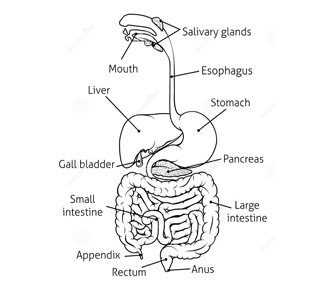
The gastrointestinal tract (GIT) (Fig. 1) is a highly integrated and dynamic organ system vital to sustaining human life and overall well-being. It consists of a continuous, muscular tube that spans from the oral cavity to the anus, encompassing specialized segments such as the esophagus, stomach, small and large intestines, and accessory organs including the liver, pancreas, and gallbladder12,13. While its primary responsibilities include food digestion, nutrient and water absorption, and waste elimination, the GIT also plays essential roles in immune function, hormonal signaling, and interactions with the intestinal microbiota14.
|
| Table 1: | Structural features and roles of the various organs in the gastrointestinal tract | |||
| Gastrointestinal tract organs | Functions |
| Mouth | Initiates food intake and mechanical breakdown through chewing; salivary secretions begin enzymatic digestion, particularly of carbohydrates via amylase |
| Pharynx and esophagus | Serve as passageways for swallowed food, moving it toward the stomach through coordinated peristaltic contractions |
| Stomach | A muscular organ that mixes ingested food with gastric secretions (including hydrochloric acid and pepsin), producing chyme, a semi-fluid digestive mixture |
| Small intestine | Comprising the duodenum, jejunum, and ileum, it is the primary site for enzymatic digestion and absorption of nutrients and minerals |
| Large intestine (Colon) | Includes the cecum, colon, rectum, and anus; functions in water reabsorption, fermentation of undigested fibers, and fecal formation |
| Liver | Produces bile, a fluid essential for emulsifying fats during digestion and also plays roles in nutrient metabolism and detoxification |
| Gallbladder | Stores and concentrates bile before releasing it into the small intestine in response to dietary fat intake |
| Pancreas | Secretes a variety of digestive enzymes (e.g., amylase, lipase, proteases) and bicarbonate into the duodenum to neutralize gastric acid |
| Source: Matini et al.12 | |
A key feature of the GIT is its relationship with the gut microbiota, a dense and diverse community of microorganisms, particularly abundant in the colon. These microbes perform various beneficial functions, including the fermentation of non-digestible carbohydrates, the synthesis of essential vitamins such as vitamin K and several B-complex vitamins, and the maturation and modulation of the immune system15. A well-balanced and diverse gut microbiome is crucial for maintaining intestinal homeostasis and defending against disorders such as Inflammatory Bowel Disease (IBD), Irritable Bowel Syndrome (IBS), and colorectal cancer16. The intestinal barrier, formed by a monolayer of epithelial cells, is supported by mucus, tight junction proteins, and immune factors like secretory immunoglobulin A (sIgA). This barrier selectively facilitates nutrient uptake while preventing the passage of toxins and pathogenic microorganisms17. When this barrier is compromised, a condition often referred to as increased intestinal permeability or “leaky gut” can arise, which has been implicated in a variety of both gastrointestinal and systemic illnesses. In addition, the GIT contains the enteric nervous system (ENS), commonly known as the “second brain”, which operates semi-autonomously to regulate intestinal motility, secretion, and vascular tone and communicates with the central nervous system through the gut-brain axis18. This complex neural network allows the GIT to rapidly adapt to physiological demands and maintain functional coordination across the digestive system.
ANATOMY AND FUNCTION OF THE GASTROINTESTINAL TRACT
The gastrointestinal tract (GIT) is fundamentally responsible for the ingestion of food, breakdown of nutrients, absorption of essential compounds, and elimination of waste products. In conjunction with its accessory organs, including the liver, pancreas, and gallbladder, the GIT constitutes the digestive system, which is crucial for preserving nutrient balance and sustaining overall physiological health. Structurally, the GIT is lined with specialized mucosal tissue and surrounded by smooth muscle layers that generate coordinated peristaltic contractions. These rhythmic movements facilitate both the propulsion and mechanical mixing of contents throughout the digestive lumen. Each segment of the tract has a distinct role, as shown in Table 1.
GUT MICROBIOTA, IMMUNE MODULATION, AND NEURAL PATHWAYS IN THE GUT-BRAIN COMMUNICATION
The gut microbiota comprises a diverse and densely populated community of microorganisms, primarily bacteria, but also including fungi, viruses, and archaea, most of which are concentrated in the colon. These microbes fulfill a variety of essential physiological roles, including the fermentation of non-digestible polysaccharides, the production of Short-Chain Fatty Acids (SCFAs), the synthesis of vital nutrients such as vitamin K and B-complex vitamins, and the regulation of immune responses15. When the microbial ecosystem becomes imbalanced, a condition known as dysbiosis, it has been associated with several health disorders, including Inflammatory Bowel Disease (IBD), obesity, type 2 diabetes, and even neurological and mood-related conditions16.
Approximately 70% of the body’s immune cells are localized in the gut-associated lymphoid tissue (GALT), underscoring the central role of the gastrointestinal tract in immune defense. The intestinal mucosal barrier operates as a selective interface, enabling the absorption of nutrients while preventing the entry of pathogens and toxins. This protective function is maintained by tight junction proteins, antimicrobial peptides, and secretory immunoglobulin A (sIgA)17. Embedded within the walls of the digestive tract is the enteric nervous system (ENS), a complex neural network that contains as many neurons as the spinal cord. It autonomously controls many digestive activities, including motility, secretion, and blood flow, while also maintaining a bidirectional communication channel with the Central Nervous System (CNS) through the gut-brain axis18. This axis is influenced by neurotransmitters such as serotonin and Gamma-Aminobutyric Acid (GABA), a significant portion of which is synthesized or modulated by the gut microbiota, highlighting the strong link between gut function and mental health14.
CLINICAL RELEVANCE AND DISORDERS OF THE GIT
Gastrointestinal (GIT) disorders encompass a broad spectrum, ranging from prevalent conditions like Gastroesophageal Reflux Disease (GERD) and Irritable Bowel Syndrome (IBS) to more severe pathologies such as Crohn’s disease, ulcerative colitis, and colorectal cancer19-22. These disorders are frequently associated with abnormalities in intestinal motility, compromised epithelial barrier function, imbalanced gut microbiota, and dysregulated immune activity. Multiple factors-including dietary habits, psychological stress, pharmacological agents (notably antibiotics), and environmental exposures significantly impact the integrity and function of the GIT. Contemporary therapeutic approaches are increasingly centered on nutritional modulation, including the use of probiotics and prebiotics, to enhance microbial composition and support gastrointestinal resilience. Recent scientific investigations have highlighted the critical roles of dietary fiber, probiotics, and prebiotics in promoting gut health and microbial equilibrium. These dietary components contribute to digestive efficiency, exert immune-modulating effects, and stimulate the production of beneficial Short-Chain Fatty Acids (SCFAs), which serve as energy substrates for colonocytes and help fortify the intestinal barrier4-6.
BIOCHEMICAL CONSTITUENTS OF THE GASTROINTESTINAL TRACT, DIETARY FIBER, PROBIOTICS, AND PREBIOTICS
Biochemical constituents of the git: The gastrointestinal tract (GIT) functions as a chemically active system composed of a diverse array of organic and inorganic substances that support digestion, nutrient uptake, immune defense, and signaling with the nervous system. Its chemical makeup is not uniform but varies along different segments of the tract and adapts dynamically in response to dietary intake, microbial interactions, and physiological conditions such as fasting, feeding, or illness. This complex environment comprises water, electrolytes, organic molecules, digestive enzymes, microbial metabolites, and immunological mediators, all of which interact to facilitate essential gastrointestinal processes15,21. These constituents collectively regulate digestion, absorption, microbial equilibrium, and host protection. Disruptions to this delicate chemical balance due to factors like diet, infection, pharmaceuticals,s or pathological conditions can impair gastrointestinal function and potentially contribute to broader systemic health issues. The principal components of the GIT chemical environment include:
Water and electrolytes: Water is the predominant constituent of gastrointestinal (GIT) contents and plays a critical role in various physiological processes. It facilitates the hydration of ingested food, supports enzymatic activity, protects the mucosal lining, and assists in the transport of electrolytes. Electrolytes present in the GIT, such as sodium (Na+), potassium (K+), chloride (Cl-), bicarbonate (HCO3-), calcium (Ca2+), and magnesium (Mg2+), are essential for maintaining acid-base balance, regulating osmotic pressure, enabling smooth muscle contractions involved in peristalsis, and activating key digestive enzymes17.
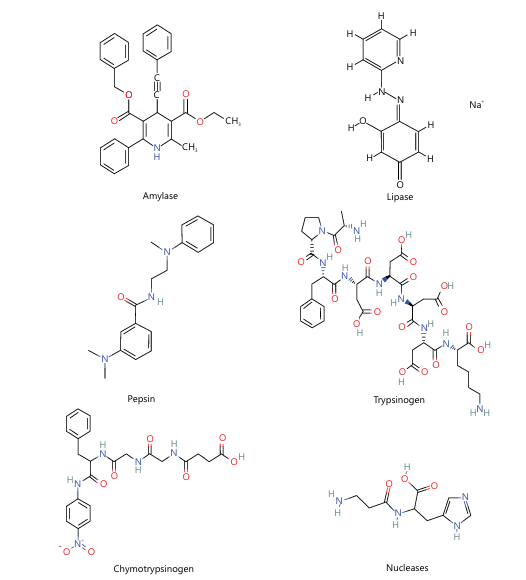
Digestive secretions and enzymes: The gastrointestinal tract (GIT) secretes a diverse range of enzymes and fluids, each tailored to the specific functional demands of its respective segment. In the oral cavity, saliva comprises approximately 99% water along with electrolytes, mucins, and digestive enzymes. Among these, α-amylase initiates the breakdown of carbohydrates, while lingual lipase begins the digestion of dietary fats. Saliva also contains antimicrobial agents such as lysozyme, lactoferrin, and immunoglobulin A (IgA), which help protect the oral and upper digestive tract by inhibiting microbial growth. In the stomach, gastric juice contains several essential components. Hydrochloric Acid (HCl) facilitates protein denaturation and activates pepsinogen, the precursor to pepsin, an enzyme crucial for protein digestion. Gastric secretions also include the intrinsic factor, which is necessary for the absorption of vitamin B12, as well as electrolytes like sodium (Na+), potassium (K+), and chloride (Cl-). The pancreas and gallbladder also contribute vital secretions. Pancreatic juice contains bicarbonate ions, which neutralize acidic chyme entering the small intestine, along with digestive enzymes such as amylase, lipase, trypsinogen, chymotrypsinogen, and nucleases for the breakdown of carbohydrates, fats, proteins, and nucleic acids. Additionally, bile, produced by the liver and stored in the gallbladder, contains bile salts that emulsify fats, as well as phospholipids (mainly lecithin), cholesterol, and bilirubin23. Some of the chemicals secreted by the GIT are shown in Fig. 2.
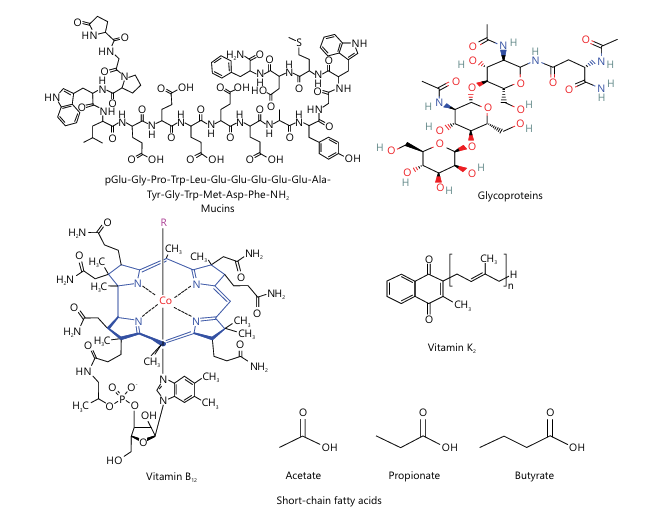
Mucus, glycoproteins and microbial metabolites: Mucus, produced by goblet cells lining the gastrointestinal tract, is rich in mucins, which are glycosylated proteins that form a protective gel-like layer over the epithelium. This layer shields the intestinal lining from mechanical abrasion and chemical irritation. In addition to mucins, electrolytes and antimicrobial peptides within the mucus contribute to the preservation of mucosal integrity by supporting a stable microbial barrier and facilitating the smooth transit of luminal contents through the gut23,24. The gut microbiota plays a pivotal role in transforming dietary substrates and host-derived molecules into a variety of bioactive metabolites. Among the most important are Short-Chain Fatty Acids (SCFAs), including acetate, propionate, and butyrate, which serve as primary energy sources for colonocytes and function as local immune regulators. Gut microbes also produce gases such as carbon dioxide (CO2), hydrogen (H2), and methane (CH4), as well as secondary bile acids, formed by microbial modification of primary bile acids. Furthermore, the microbiota synthesizes essential nutrients such as vitamin K2, vitamin B12, folate, and riboflavin, along with polyamines and indole derivatives, all of which play roles in epithelial cell growth, maintenance of the intestinal barrier, and overall gut homeostasis4. The chemical structures of mucins, glycoproteins, and some microbial metabolites are as presented in Fig. 3.
|
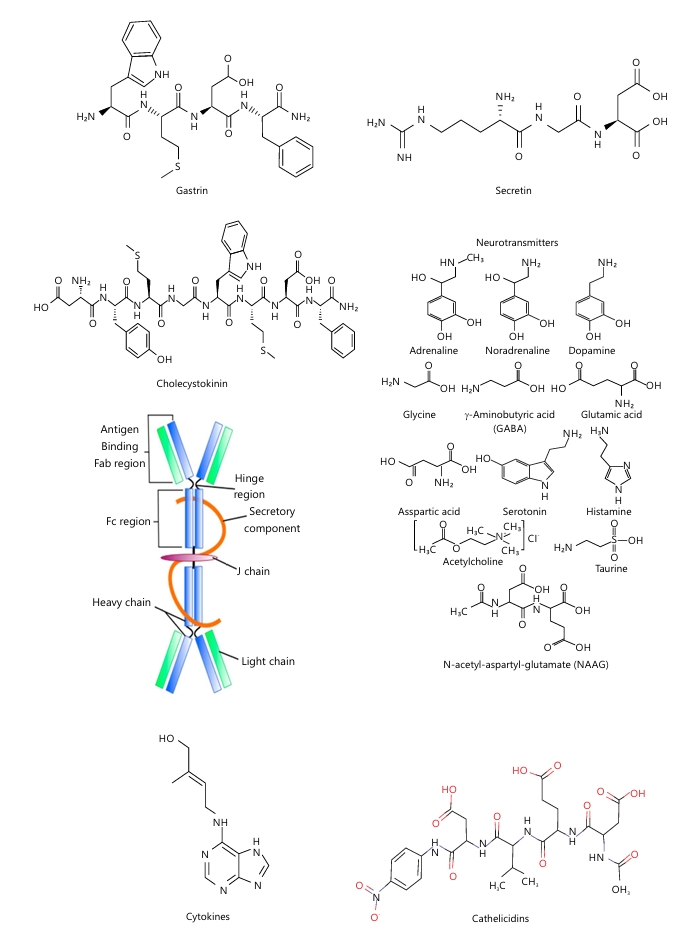
Hormones, neurotransmitters, and immunological molecules: Enteroendocrine cells located throughout the gastrointestinal tract release a variety of peptide hormones in response to stimuli within the intestinal lumen (Fig. 4). These hormones serve key regulatory roles in digestion and metabolism. For instance, gastrin stimulates the secretion of hydrochloric acid in the stomach; secretin promotes the release of bicarbonate from the pancreas to neutralize gastric acid; and cholecystokinin (CCK) triggers the secretion of bile and pancreatic enzymes. Additionally, glucagon-like peptide-1 (GLP-1) plays a role in regulating appetite and promoting insulin secretion. The GIT is also a major source of neurotransmitters. Approximately 90% of the body’s serotonin (5-HT) is synthesized in the gut, where it influences intestinal motility and also impacts mood and behavior via the gut-brain axis. Other neurotransmitters produced in the gut include Gamma-Aminobutyric Acid (GABA), dopamine, and acetylcholine, all of which contribute to neural signaling and gastrointestinal regulation7. In addition to endocrine and neural functions, the gastrointestinal tract is a highly active immunological organ. It secretes secretory immunoglobulin A (sIgA), which helps neutralize pathogens and maintain mucosal immunity. The gut also produces cytokines and chemokines that coordinate inflammatory and immune responses. Furthermore, defensins and cathelicidins, classified as antimicrobial peptides, contribute to the host’s first line of defense by targeting microbial invaders and preserving epithelial barrier integrity25.
|
CHEMICAL COMPOSITION OF DIETARY FIBER
Dietary fiber refers to a heterogeneous group of complex carbohydrates and lignin that resist enzymatic digestion and absorption in the human small intestine. It plays a crucial role in maintaining gastrointestinal (GIT) health, regulating metabolic functions, and preventing a range of chronic diseases31. The specific chemical makeup of dietary fiber varies considerably depending on factors such as plant origin, processing techniques, and the methods used for its analysis. Chemically, dietary fiber includes a wide array of carbohydrate and non-carbohydrate polymers, reflecting its structural complexity and functional diversity within the digestive tract. This complexity underpins various physiological properties such as fermentability, viscosity, and bulking ability, which are key to its health-promoting effects. A detailed understanding of fiber composition is essential for assessing how different types contribute to digestion and overall health outcomes. Dietary fiber is broadly categorized into polysaccharide and non-polysaccharide components, which can further be classified into two major types:
|
Soluble dietary fiber: Soluble dietary fiber (SDF) is a category of fiber that dissolves in water to form viscous, gel-like substances within the gastrointestinal tract. In contrast to insoluble fiber, which primarily enhances stool bulk and promotes regular bowel movements, SDF exerts a broader spectrum of physiological functions. These include modulation of the gut microbiota, support for metabolic regulation, and protection against chronic diseases. The functional properties of SDF, such as viscosity, fermentability, and nutrient-binding capacity, underlie its diverse health benefits. SDF represents a chemically heterogeneous group of bioactive compounds with proven roles in improving blood glucose regulation, serum lipid profiles, and intestinal microbial balance. Key types of SDF include pectins, β-glucans, inulin, and various plant-derived gums, each offering unique therapeutic applications depending on health status and nutritional goals. Incorporating foods naturally high in SDF-such as oats, apples, and legumes into the diet forms an essential part of preventive and functional nutrition strategies32.
|
Insoluble dietary fiber: Insoluble dietary fiber (IDF) consists of plant-derived components that do not dissolve in water and are minimally fermented by colonic microbiota. Unlike soluble fiber, IDF primarily contributes to mechanical digestive functions by increasing fecal bulk, promoting regular bowel movements, and reducing intestinal transit time. Though previously regarded as metabolically inactive, recent evidence highlights its essential contributions to gastrointestinal and systemic health. Despite being less fermentable than its soluble counterpart, IDF plays a pivotal role in supporting digestive regularity and preventing conditions such as constipation and diverticular disease. Its complex structure and strong water-binding capacity enhance stool consistency and facilitate waste elimination, thereby promoting colon health. Incorporating both soluble and insoluble fibers into the diet creates a synergistic effect that optimizes gastrointestinal function and supports metabolic well-being32. Common dietary sources of IDF include whole grains, nuts, and fibrous vegetables such as carrots, green beans, and cauliflower.
MAJOR BIOCHEMICAL CONSTITUENTS OF DIETARY FIBERS
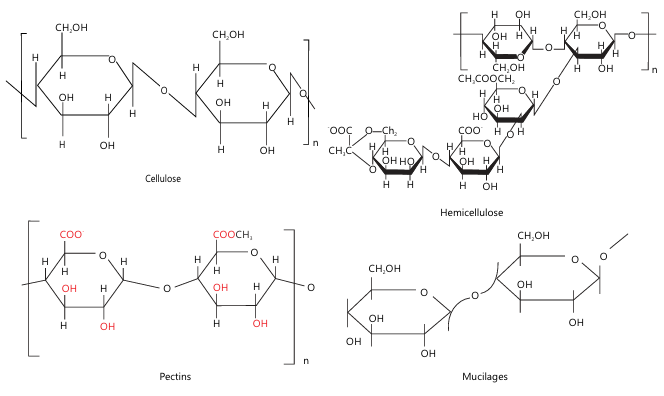
Polysaccharides: These compounds constitute the fundamental structural elements of dietary fiber (Fig. 5). Cellulose, a linear polysaccharide composed of β-1,4-linked glucose units, is notably water-insoluble and highly resistant to enzymatic digestion in the human gastrointestinal tract. It is predominantly found in plant cell walls, especially in vegetables, fruits, and whole grains. Hemicelluloses are a diverse group of branched polysaccharides, including xylans, mannans, and glucuronoxylans, that vary in solubility with their backbone structure and side-chain composition. These are commonly present in cereal brans, legumes, and vegetables33. Pectins are a class of soluble, gel-forming polysaccharides rich in galacturonic acid. Found primarily in fruits, notably apples and citrus fruits. Pectins are highly fermentable by colonic bacteria, supporting beneficial microbial activity and Short-Chain Fatty Acid (SCFA) production34. The β-glucans, composed of β-1,3 and β-1, 4-glucose linkages, are soluble, viscous fibers primarily found in oats and barley. They have been widely studied for their ability to lower serum cholesterol levels and improve cardiovascular health outcomes35. Gums and mucilages are naturally occurring plant exudates or seed-coat derivatives that are water-soluble and form viscous gels. Examples include guar gum, gum arabic, and psyllium husk. These fibers are commonly employed in the food industry as thickening agents and emulsifiers due to their functional properties31.
|
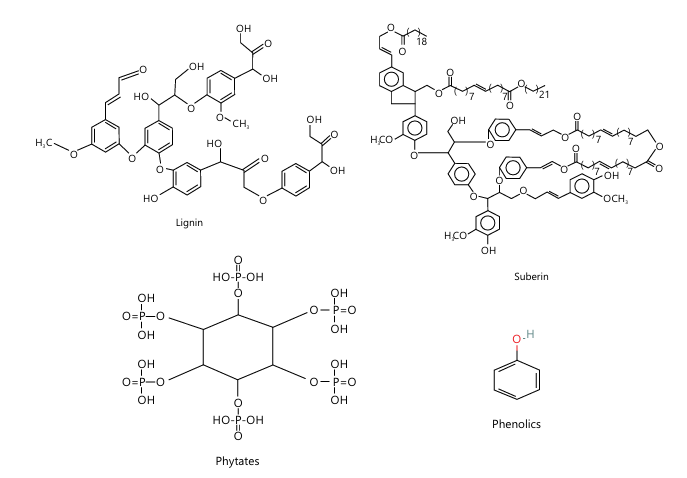
Non-carbohydrate component: Among the non-carbohydrate constituents of dietary fiber, lignin is a major component. It is a complex phenolic polymer and a non-polysaccharide that is completely insoluble in water and resistant to microbial fermentation. Lignin provides structural rigidity to plant cell walls and contributes to the overall mechanical strength of plant tissues. In addition to lignin, the non-carbohydrate fraction of dietary fiber also includes cutin and suberin, which are waxy, hydrophobic substances that serve protective functions in plant cell layers. Other associated compounds include phytates, phenolic compounds, proteins, and minerals that are tightly integrated within the fiber matrix. These components not only affect the physical properties of fiber but also modulate its physiological effects, such as its antioxidant capacity and influence on mineral absorption and bioavailability. Figure 6 shows some non-carbohydrate compounds of dietary fibres.
BIOCHEMICAL CONSTITUENTS OF PROBIOTICS
The health benefits attributed to probiotics extend beyond their metabolic functions and include the effects of their structural and chemical components. These molecular constituents contribute to immune system modulation, intestinal barrier integrity, and microbial interactions within the gut environment. The probiotic mechanisms of action are strongly associated with elements such as peptidoglycan, exopolysaccharides (EPS), cytoplasmic proteins, specific DNA motifs like CpG sequences, and fermentation by-products such as Short-Chain Fatty Acids (SCFAs). Gaining insight into these biochemical structures enhances our understanding of how probiotics support the host by influencing microbial balance, boosting immune defenses, and maintaining physiological equilibrium. Consequently, the effectiveness of a probiotic strain depends not only on its viability, but also on the bioactivity of its cellular and metabolic constituents.
|
MAJOR CHEMICAL CONSTITUENTS OF PROBIOTIC MICROORGANISMS
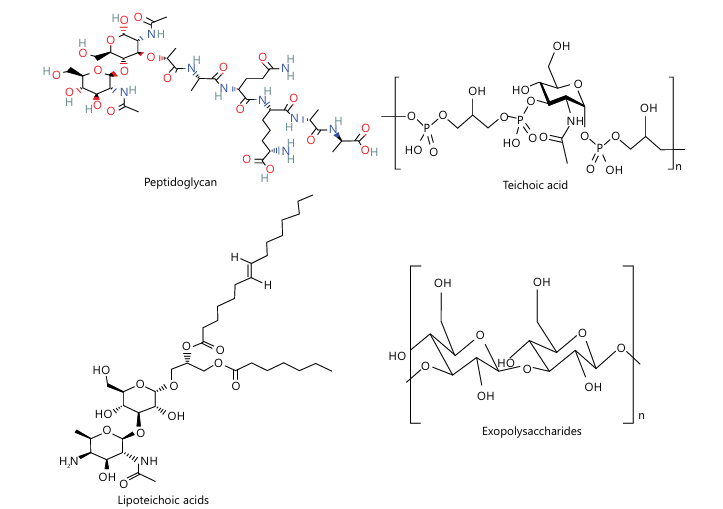
Cell wall chemical components: The cell wall of probiotic microorganisms, particularly Gram-positive strains such as Lactobacillus and Bifidobacterium, contains several critical chemical constituents that contribute to their functional properties. A key component is peptidoglycan, a rigid macromolecule composed of repeating units of N-Acetylglucosamine (GlcNAc) and N-Acetylmuramic Acid (MurNAc) cross-linked by short peptides. This structure not only provides mechanical strength to the bacterial cell wall but also plays a pivotal role in triggering immune responses, particularly through interaction with host immune receptors39. In addition to peptidoglycan, teichoic acids and lipoteichoic acids are present in the cell walls and membranes of Gram-positive bacteria. These anionic polymers are known to interact with host immune pathways, notably by activating Toll-like receptor 2 (TLR-2), thereby modulating both innate and adaptive immunity40. Another important structural component is exopolysaccharides (EPS)-extracellular carbohydrate polymers secreted by probiotics. EPS typically consist of repeating sugar residues such as glucose, galactose, rhamnose, or mannose. These polymers form a protective matrix around the microbial cell that facilitates adhesion to intestinal mucosal surfaces, enhances resistance to environmental stressors, and contributes to immunomodulatory effects in the host41. Some chemical constituents of probiotics are as presented in Fig. 7.
|
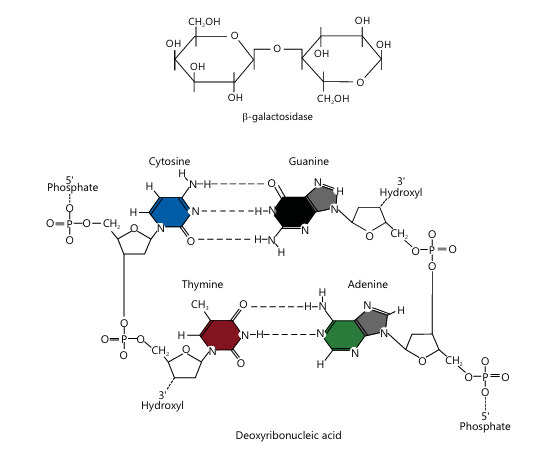
Cytoplasmic components and DNA cytosine-guanine phosphate motifs (CpG): The cytoplasmic components of probiotic microorganisms include a range of proteins and enzymes that play important physiological roles in host interaction. Key among these is β-galactosidase, which facilitates the digestion of lactose, as well as stress response proteins, adhesion molecules, and surface-layer (S-layer) proteins that function as adhesins to promote binding to intestinal mucosal surfaces (Fig. 8). These molecular constituents support probiotic function by aiding in nutrient metabolism, enhancing mucosal adhesion, modulating immune responses, and contributing to the competitive exclusion of pathogenic microbes. Additionally, the bacterial genome, particularly DNA rich in unmethylated CpG motifs, plays a role in host immune activation by engaging Toll-like receptor 9 (TLR9) on immune cells. When probiotic cells undergo lysis, their released DNA fragments can continue to exert health effects, serving as postbiotic agents with immunomodulatory properties42.
Short-Chain Fatty Acids (SCFAs) metabolic products and membrane proteins: Short-Chain Fatty Acids include acetate, propionate, and butyrate, produced during carbohydrate fermentation. SCFAs help in regulating. Short-Chain Fatty Acids (SCFAs), primarily acetate, propionate, and butyrate, are key metabolic products generated during the fermentation of dietary carbohydrates by gut microbiota. These bioactive molecules perform multiple physiological functions: They help maintain optimal gut pH, serve as a primary energy source for colonocytes, modulate inflammatory signaling pathways, and strengthen the intestinal epithelial barrier. In addition to SCFAs, membrane-associated proteins found in probiotics including transporters, adhesins, and hydrolases play crucial roles in nutrient uptake, hostmicrobe interactions, and adaptive responses to environmental stress. These proteins facilitate bacterial colonization of the gastrointestinal tract and enhance probiotic resilience and function within the host environment gut pH, fuel colonocytes, modulate inflammation, and enhance epithelial barrier. Membrane proteins include transporters, adhesins, and hydrolases aids nutrient uptake, stress response, and host interaction.
|
BIOCHEMICAL CONSTITUENT OF PREBIOTICS
Prebiotics are predominantly non-digestible carbohydrates (NDCs), mainly oligosaccharides and polysaccharides, that bypass enzymatic digestion in the upper gastrointestinal tract and reach the colon intact, where they serve as substrates for fermentation by beneficial gut bacteria, particularly species of Bifidobacterium and Lactobacillus. These compounds selectively stimulate the growth and activity of such microbes, thereby enhancing gut microbial balance and overall health. The effectiveness of prebiotics is largely influenced by their chemical structure, which includes the type of monosaccharide units, degree of polymerization, and glycosidic linkages. These characteristics determine their fermentability, microbial specificity, and biological functionality within the host. A clear understanding of prebiotic composition is critical for the development of functional foods and personalized prebiotic interventions aimed at supporting gastrointestinal and metabolic well-being.
MAJOR CHEMICAL CONSTITUENTS OF PREBIOTICS
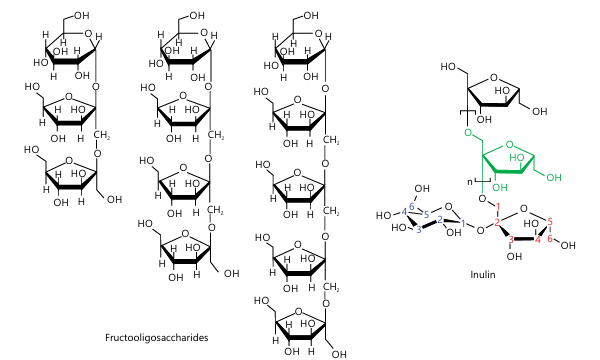
Fructooligosaccharides and inulins: Fructooligosaccharides (FOS) are composed of short chains of fructose molecules joined primarily by β(2→1) glycosidic bonds, typically terminating with a glucose unit. These compounds are naturally found in a variety of plant-based foods, including bananas, onions, garlic, leeks, chicory root, and Jerusalem artichokes. A FOS selectively stimulate the growth of Bifidobacterium species, thereby promoting a beneficial shift in gut microbial composition and supporting gastrointestinal health. Inulin, a type of long-chain fructooligosaccharide, is also classified as a β(2→1)-linked fructan. It is abundant in plant sources such as chicory root, garlic, asparagus, wheat, and agave. Due to its slower fermentation profile in the colon, inulin contributes to the sustained production of short-chain fatty acids, which aids in mineral absorption (e.g., calcium and magnesium) and immune regulation through modulation of gut barrier integrity and microbial activity1. The chemical structures of these prebiotics are shown in Fig. 9.
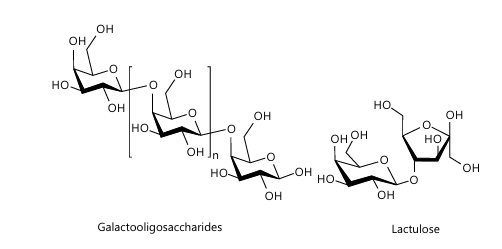
Galactooligosaccharides and lactulose: Galactooligosaccharides (GOS) are composed of galactose residues linked by β-1→4 and β-1→6 glycosidic bonds, typically connected to a glucose molecule at the reducing end (Fig.10). These oligosaccharides are enzymatically synthesized from lactose and are also found naturally in human milk, where they form part of the human milk oligosaccharides (HMOs).
|
|
A GOS are recognized for their potent bifidogenic effects, particularly in infant nutrition, where they mimic the function of HMOs by selectively promoting the growth of Bifidobacterium species and supporting early-life gut development. Lactulose, in contrast, is a synthetic disaccharide consisting of galactose and fructose (Fig. 10). It is an isomer of lactose and serves as a prebiotic compound known to stimulate the proliferation of Bifidobacteria in the colon. Clinically, lactulose is widely used as a therapeutic agent for managing constipation and hepatic encephalopathy, due to its ability to modulate colonic fermentation and lower ammonia levels in the bloodstream.
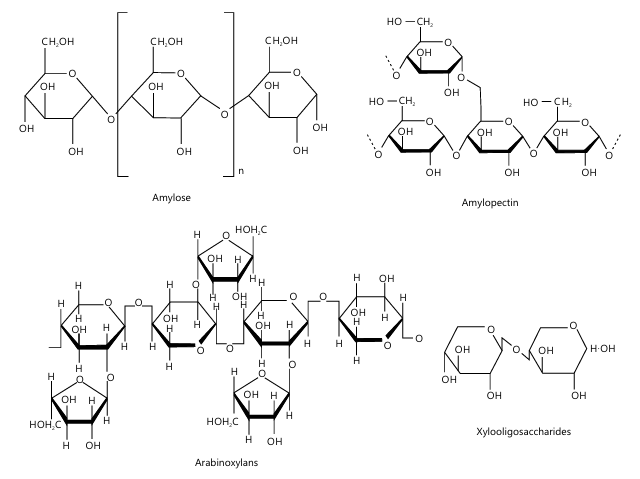
Resistant starch (RS), arabinoxylans, xylooligosaccharides and pectic oligosaccharides: Resistant starch refers to starch fractions primarily amylose and amylopectin (Fig. 11) that escape enzymatic digestion in the small intestine and reach the colon, where they are fermented by gut microbiota. It is
commonly found in foods such as cooked and cooled potatoes, green bananas, legumes, and whole grains. One of its key functions is the production of Short-Chain Fatty Acids (SCFAs), especially butyrate, which supports colonic health by promoting epithelial integrity and reducing inflammation10. Arabinoxylans and Xylooligosaccharides are hemicellulose-derived fibers composed of arabinose and xylose sugar chains. These compounds are abundant in wheat bran, rye, corn, and bamboo shoots, and they play a role in modulating gut microbiota and enhancing intestinal barrier function by increasing mucosal immunity and regulating microbial composition. Pectic oligosaccharides (POS) are derived from pectin, a complex, branched polysaccharide rich in galacturonic acid. POS are found in apples, citrus peels, and sugar beet pulp. While research on their prebiotic properties is still emerging, early studies suggest POS may have immunomodulatory effects, offering potential for use in therapeutic nutrition strategies.
HISTORICAL PERSPECTIVE OF PROBIOTICS
The concept of probiotics, defined as live microorganisms that, when consumed in appropriate quantities, provide health benefits to the host, has a long and evolving history that stretches from traditional food practices to contemporary medical science. Long before the term “probiotic” was formally introduced, ancient cultures such as those in Egypt, Greece, and Rome regularly consumed fermented foods like yogurt, kefir, sourdough bread, and pickled vegetables. Although the microbial nature of these foods was not understood at the time, they contained live bacteria and yeasts now recognized for their role in supporting digestive and overall health. A pivotal figure in the scientific recognition of probiotics was Élie Metchnikoff, a Nobel Prize-winning scientist of Russian origin. In the early 20th century, Metchnikoff observed that Bulgarian villagers who frequently consumed fermented milk products appeared to enjoy increased longevity. He hypothesized that Lactobacillus bulgaricus, a bacterium found in these products, could inhibit harmful gut microbes and thereby promote health and longevity. His ideas laid the groundwork for modern studies on the gut microbiome and its connection to health and disease1. The term “probiotic” was first introduced in 1954 by German scientist Werner Kollath, deriving from the Greek pro bios, meaning “for life”, as a conceptual counterpart to antibiotics, which act “against life”. Initially, probiotics were loosely described as substances produced by one microorganism that could enhance the growth of another. By the 1960s and 1970s, scientific interest in probiotics expanded considerably, especially with the identification of Lactobacillus and Bifidobacterium species. These genera were observed to dominate the intestinal microbiota of healthy, breastfed infants and were associated with improved digestion, resistance to pathogens, and immune system modulation. In 1989, Roy Fuller offered a more precise definition: “A live microbial feed supplement which beneficially affects the host animal by improving its intestinal microbial balance”8. This marked a shift toward viewing probiotics in terms of their specific health outcomes. With the advancement of microbiology, genomics, and biotechnology, the 21st century has witnessed rapid growth in probiotic research and applications. Clinical trials and systematic reviews have supported the use of specific probiotic strains for conditions such as antibiotic-associated diarrhea, Irritable Bowel Syndrome (IBS), Inflammatory Bowel Disease (IBD), allergic responses, and even mental health disorders via the gut-brain axis. In 2002, the World Health Organization (WHO) and the Food and Agriculture Organization (FAO) provided the now widely accepted definition: “Live microorganisms which when administered in adequate amounts confer a health benefit on the host”8. From ancient dietary traditions to state-of-the-art microbiome-based therapeutics, the history of probiotics highlights the convergence of traditional knowledge with modern science. As understanding of the human microbiota continues to grow, probiotics are increasingly seen as central to both disease prevention and therapeutic intervention.
CURRENT RESEARCH ON PROBIOTICS AND PREBIOTICS
Probiotics and prebiotics have garnered increasing scientific interest for their ability to influence the composition and activity of the gut microbiota, thereby supporting overall health and disease prevention. Recent investigations are exploring their clinical potential, underlying mechanisms of action, and
synergistic effects, particularly in areas such as gastrointestinal health, metabolic regulation, immune function, and mental well-being. This growing body of research reflects a multidisciplinary approach, drawing from microbiology, immunology, nutrition, and biotechnology, and is progressively shifting toward personalized, evidence-based applications. Advancements in microbiome science have intensified efforts to utilize probiotics and prebiotics in therapeutic, nutritional, and preventive strategies. Current studies highlight how specific probiotic strains, such as Lactobacillus, Bifidobacterium, Saccharomyces boulardii, and Akkermansia muciniphila, can enhance microbial diversity, inhibit pathogenic species, and modulate both innate and adaptive immune responses9. For example, Lactobacillus rhamnosus has demonstrated anti-inflammatory properties, with clinical trials reporting reduced respiratory tract infections, improved vaccine response, and therapeutic effects in conditions like atopic dermatitis in children and irritable bowel syndrome in adults11. In the realm of metabolic health, probiotics have been studied for their roles in obesity, type 2 diabetes, and cardiovascular risk management. These effects are thought to be mediated through improvements in lipid metabolism, insulin sensitivity, and systemic inflammation9. Research4 supports the application of Lactobacillus and Bifidobacterium strains as anti-obesity agents, further illustrating the metabolic potential of probiotics. Emerging interest in psychobiotics, probiotics that impact mental health via the gut-brain axis has led to studies showing that certain strains may help alleviate anxiety, depression, and cognitive decline18. Additional work has investigated probiotic roles in immunomodulation, allergy prevention, and antimicrobial resistance. Specific strains have been linked to enhanced mucosal immunity, reduction in infant allergic responses, and even the production of therapeutic bioactive compounds aimed at combating antibiotic-resistant infections22. Human milk oligosaccharides (HMOs) have also emerged as powerful prebiotic candidates that shape infant gut microbiota and bolster immune development10. Likewise, prebiotics have been shown to stimulate beneficial microbes such as Faecalibacterium prausnitzii, which produce short-chain fatty acids like acetate, propionate, and butyrate. These metabolites contribute to gut barrier integrity, exert anti-inflammatory effects, and support colonic health4.
Recent clinical trials in patients with metabolic syndrome demonstrate that prebiotic consumption can improve key health markers, including cholesterol levels, glucose metabolism, insulin sensitivity, and weight regulation6. Furthermore, the benefits of prebiotics extend beyond the gut. Evidence shows they may also modulate lipid profiles, enhance mineral absorption, and improve skin and oral health7. A notable example of a synergistic effect is the combined use of Lactobacillus fermentum and the edible mushroom Pleurotus sajor-caju, which has shown promise in promoting general health and enhancing microbiome function46. Additionally, Bifidobacterium infantis has demonstrated clinical efficacy in managing irritable bowel syndrome, inflammatory bowel disease, and even in patients with type 2 diabetes, underscoring the therapeutic promise of targeted probiotic therapy20.
THERAPEUTIC AND PROTECTIVE APPLICATIONS OF DIETARY FIBER IN HUMAN HEALTH
Dietary fiber represents a foundational element of a nutritious, health-supportive diet. It plays a pivotal role in maintaining digestive function, lowering the risk of metabolic disorders and cardiovascular diseases, and aiding in weight regulation. Due to its wide-ranging physiological advantages, promoting increased intake of fiber primarily through a diet abundant in fruits, vegetables, whole grains, and legumes serves as an effective, non-pharmacological strategy for enhancing overall health and reducing the burden of chronic illnesses.
Gastrointestinal health: One of the most well-documented functions of dietary fiber is its positive impact on gastrointestinal (GI) health, particularly through the enhancement of bowel motility and overall intestinal function. Insoluble fibers contribute by increasing stool volume and stimulating peristaltic activity, which helps prevent constipation and lowers the risk of developing diverticular disease31. In contrast, soluble and fermentable fibers such as inulin and oligosaccharides act as prebiotics, selectively
promoting the proliferation of beneficial gut microbes, including Bifidobacteria and Faecalibacterium prausnitzii. These microbes play a central role in producing Short-Chain Fatty Acids (SCFAs), which support colonic health and immune modulation4-6. Moreover, consistent dietary fiber intake has been linked to a lower incidence of colorectal cancer, likely due to several mechanisms: Accelerated intestinal transit, dilution of carcinogenic substances, enhanced SCFA synthesis, and anti-inflammatory effects mediated through microbial fermentation and immune signaling.
Cardiovascular and type 2 diabetes disease prevention: Soluble dietary fibers, such as β-glucans from oats and psyllium, offer notable cardiovascular benefits, particularly through their ability to lower serum cholesterol levels. These fibers bind to bile acids in the gut, which leads to increased bile acid excretion and subsequently reduces circulating levels of Low-Density Lipoprotein (LDL) cholesterol, a primary risk factor for cardiovascular disease23. Additionally, consistent consumption of fiber-rich diets has been linked to moderate reductions in both systolic and diastolic blood pressure, further supporting cardiovascular protection31,32. In the context of inflammation, Short-Chain Fatty Acids (SCFAs) produced during the microbial fermentation of fiberexhibit anti-inflammatory properties that help modulate immune responses involved in atherosclerotic disease progression5. Regarding type 2 diabetes, dietary fiber plays a key role in glycemic regulation. By slowing gastric emptying and reducing glucose absorption in the small intestine, fiber helps maintain glucose homeostasis, enhances insulin sensitivity, and improves postprandial glycemic and insulin responses. These effects contribute significantly to both the prevention and management of type 2 diabetes31.
Weight management, mineral absorption, skin and oral health: High-fiber diets enhance feelings of fullness and help regulate appetite by slowing gastric emptying and stimulating the release of satiety-related hormones such as glucagon-like peptide-1 (GLP-1) and peptide YY (PYY)12,13. Fiber-rich foods generally have a lower energy density, which aids in reducing overall caloric intake, preventing overeating, and supporting weight management or weight loss strategies. Additionally, dietary fiber contributes to fat metabolism by promoting bile acid excretion, thereby assisting in the maintenance of a favorable lipid profile32,34. Regarding mineral absorption, some fiber-associated compounds like phytates may inhibit the bioavailability of minerals such as iron, zinc, and calcium. In contrast, fermentable fibers improve the absorption of calcium and magnesium by producing Short-Chain Fatty Acids (SCFAs) and lowering colonic pH, which enhances solubility and uptake of these minerals4. Beyond gastrointestinal benefits, fiberderived metabolites also contribute to systemic health improvements, such as enhancing the skin’s barrier function and reducing inflammation in the oral cavity, further demonstrating the multi-organ influence of dietary fiber3.
THERAPEUTIC AND PROTECTIVE APPLICATIONS OF PROBIOTICS IN HUMAN HEALTH
Probiotics represent a valuable adjunctive strategy in both the prevention and management of a diverse range of health conditions, including gastrointestinal disorders, metabolic syndromes, immune-related diseases, and even aspects of mental health. Their wide-ranging therapeutic potential has led to growing support for the integration of targeted probiotic strains into clinical treatment protocols and dietary interventions. Commonly utilized probiotic genera include Lactobacillus, Bifidobacterium, Saccharomyces, Streptococcus, Enterococcus, and non-pathogenic strains of Escherichia. These microorganisms exert beneficial effects through several key mechanisms: They help modulate gut microbial communities, inhibit the growth of pathogenic species through competitive exclusion, enhance the integrity of the intestinal barrier, and regulate host immune responses, thereby supporting both local and systemic health.
Gastrointestinal health, immune modulation and allergy prevention: Probiotics have been most extensively investigated for their gastrointestinal health benefits, particularly in the prevention and treatment of various forms of diarrhea. Specific strains such as Lactobacillus rhamnosus and Saccharomyces boulardii have demonstrated efficacy in shortening the duration and reducing the severity of acute infectious diarrhea, especially in children. These strains also play a role in restoring gut microbiota balance disrupted by antibiotic use, thereby lowering the risk of antibiotic-associated diarrhea14. In addition, several probiotic species including Escherichia coli and Bifidobacterium infantis have shown beneficial effects in alleviating common symptoms associated with Irritable Bowel Syndrome (IBS) and Inflammatory Bowel Disease (IBD), such as bloating, abdominal pain, irregular bowel movements, and ulcerative colitis-related discomfort19,20. Beyond digestive health, probiotics can influence both innate and adaptive immune responses. They enhance mucosal immunity by stimulating the production of secretory immunoglobulin A (sIgA) and modulating dendritic cell activity, thereby strengthening the host’s defense against pathogens20. Furthermore, Lactobacillus rhamnosus has been studied for its role in allergy prevention, particularly in infants predisposed to allergic conditions. Clinical findings suggest that this strain may help reduce the risk of eczema and atopic dermatitis in high-risk pediatric populations18,29,30.
Metabolic health, obesity, cancer prevention and mental health: Probiotics are gaining increasing attention for their potential role in managing metabolic disorders, particularly obesity and weight regulation. Specific strains, such as Lactobacillus gasseri, have been shown to contribute to reductions in visceral fat and overall body weight11. In individuals with type 2 diabetes, probiotic supplementation has demonstrated benefits in improving glycemic control, enhancing insulin sensitivity, and lowering systemic inflammatory markers11. In the context of lipid metabolism, probiotics help reduce serum cholesterol and triglyceride levels by deconjugating bile acids and modulating hepatic cholesterol synthesis pathways23. Furthermore, evidence from animal studies indicates that probiotics can reduce the genotoxicity of intestinal contents and lower tumor development rates. In clinical settings, especially among cancer patients undergoing chemotherapy, probiotics have been reported to support gut barrier function and alleviate gastrointestinal side effects17. Emerging research also highlights the role of probiotics in mental health through their interaction with the gut-brain axis. Certain strains have shown promise in alleviating symptoms of anxiety and depression, improving memory, and slowing cognitive decline, suggesting their potential as psychobiotic agents2,18.
Urogenital, reproductive health, skin and oral health: Vaginal and oral probiotic strains, particularly Lactobacillus crispatus, have demonstrated effectiveness in re-establishing healthy vaginal microbiota, thereby helping to prevent bacterial vaginosis and urinary tract infections. These probiotics also support the maternal gut and vaginal microbial environment, which is critical for seeding the neonatal microbiome during childbirth and may reduce the risk of complications such as gestational diabetes22,25. Additionally, probiotics have shown promise in the fields of dermatology and oral health. Specific strains have been associated with improvements in skin conditions such as acne, eczema, and atopic dermatitis, largely by modulating inflammatory responses. In the oral cavity, probiotics can inhibit the growth of cariogenic and periodontopathogenic bacteria, contributing to better dental hygiene and reduced gum disease risk40.
THERAPEUTIC AND PROTECTIVE APPLICATIONS OF PREBIOTICS IN HUMAN HEALTH
Prebiotics provide a safe and non-invasive means of promoting health by modulating the gut microbiota and supporting host metabolic and immune functions. Their positive effects are not limited to the gastrointestinal tract; prebiotics also contribute to immune system regulation, metabolic balance, improved mineral bioavailability, maintenance of skin health, and support for cognitive function. When included as part of a well-rounded diet, prebiotics serve as a crucial element of preventive healthcare and are integral to the development of functional foods aimed at enhancing long-term wellness.
Gut health, microbiota modulation, immunomodulation and allergy prevention: Prebiotics play a critical role in promoting gut health by fostering a favorable microbial balance. They do so by selectively stimulating the growth of beneficial bacterial species such as Bifidobacterium and Faecalibacterium prausnitzii, both of which are known for their anti-inflammatory properties and contributions to intestinal
barrier function7. Through microbial fermentation, prebiotics are converted into Short-Chain Fatty Acids (SCFAs) notably acetate, propionate, and butyrate which serve essential roles in maintaining colonocyte vitality, lowering luminal pH, suppressing pathogenic bacteria, and regulating immune and inflammatory responses, including cytokine modulation and immune tolerance4-7. In terms of gastrointestinal function, inulin-type prebiotics have been shown to improve bowel regularity by increasing stool frequency and enhancing overall transit efficiency, making them valuable in managing functional constipation10. Beyond the gut, prebiotics also exert immunomodulatory effects at both local and systemic levels. In infants, they support immune maturation, enhance vaccine responsiveness, and have been associated with a lower incidence of allergic conditions, including atopic dermatitis and allergic rhinitis7,8.
Diabetes, obesity, cognitive, mental health and cancer prevention: Prebiotics support metabolic health by modulating the gut microbiota liver axis, thereby contributing to improved glycemic control. They enhance insulin sensitivity, lower fasting blood glucose levels, and regulate incretin hormone release such as GLP-1 through mechanisms that involve reduced gut permeability, dampened systemic inflammation, and improved intestinal barrier integrity4-6. Prebiotic intake has also been associated with increased secretion of satiety hormones, including GLP-1 and peptide YY (PYY), leading to appetite suppression, body weight reduction, and improvements in lipid profiles, including decreased levels of serum triglycerides and Low-Density Lipoprotein (LDL) cholesterol10,31. Emerging evidence also highlights the role of prebiotics in supporting brain health. Through the production of microbial metabolites and involvement in gut-brain axis signaling, prebiotics have been shown to reduce cortisol levels and enhance emotional regulation, indicating a potential anxiolytic effect2,18. Furthermore, Short-Chain Fatty Acids (SCFAs) generated during prebiotic fermentation can cross the blood-brain barrier, where they may exert anti-inflammatory effects by decreasing neuroinflammatory markers18. In cancer prevention, particularly colorectal cancer, prebiotics demonstrate several protective mechanisms. These include detoxification of carcinogens, inhibition of tumor-promoting microbial populations, and antiproliferative and pro-apoptotic effects on malignant colonocytes22.
Bone, mineral health, skin and oral health: Prebiotics play a supportive role in mineral absorption, particularly calcium and magnesium, which is especially important during periods of growth and aging. They function by lowering colonic pH, which increases the solubility and bioavailability of these essential minerals, thereby enhancing their uptake across the intestinal epithelium4,10. Clinical studies involving adolescents and postmenopausal women have shown that supplementation with inulin and fructooligosaccharides (FOS) can positively affect bone mineral density, highlighting their potential in supporting skeletal health32. In addition, xylooligosaccharides (XOS) have demonstrated benefits in skin and oral health. They contribute to reducing systemic inflammation and oxidative stress, improving the skin’s barrier function, and alleviating conditions such as acne and dermatitis. In the oral cavity, XOS has been shown to decrease levels of Streptococcus mutans, a major contributor to dental plaque, thereby promoting a healthier oral microbiome10.
CONCLUSION
The complex and dynamic interaction among dietary fiber, probiotics, and prebiotics plays a foundational role in maintaining and enhancing gastrointestinal health. Dietary fiber functions as a vital substrate that supports gut motility, fosters microbial diversity, and promotes the generation of Short-Chain Fatty Acids (SCFAs), which contribute to intestinal barrier integrity and inflammation control. Probiotics live microorganisms that, when administered in appropriate amounts, confer health benefits, help restore microbial equilibrium, enhance mucosal immune responses, and mitigate a range of gastrointestinal conditions, including irritable bowel syndrome, antibiotic-associated diarrhea, and inflammatory bowel diseases. Prebiotics, composed mainly of non-digestible oligosaccharides, selectively encourage the proliferation of beneficial microbes such as Bifidobacterium and Lactobacillus species. This leads to a more favorable microbial composition and improved nutrient absorption. Together, these three components play synergistic roles in supporting gut homeostasis, while also exerting systemic benefits by influencing immune function, metabolic regulation, and neuroimmune signaling through the gut–brain axis. A diet enriched with diverse fibers, combined with scientifically validated probiotic and prebiotic supplements, represents a powerful, non-pharmacological strategy to promote digestive health and reduce the risk of associated disorders. Looking ahead, personalized nutrition guided by individual microbiome profiles and dietary habits may further enhance the efficacy of these interventions in optimizing gastrointestinal and overall health.
SIGNIFICANCE STATEMENT
This work highlights the central role of the gut-microbiota axis in human health by synthesizing current evidence on dietary fiber, probiotics, and prebiotics as key modulators of gastrointestinal, metabolic, immune, and neurophysiological functions. It demonstrates that these dietary bioactive components extend their effects beyond the gastrointestinal tract to influence systemic outcomes, including oxidative stress regulation, neuroinflammation, cognitive function, and metabolic homeostasis. By integrating findings across digestive, hepatic, and neural pathways, this study emphasizes the therapeutic potential of microbiota-targeted nutritional interventions in preventing and managing chronic diseases such as diabetes, obesity, neurodegenerative disorders, and inflammatory conditions. The findings underscore the importance of functional nutrition as a non-pharmacological strategy for improving overall health and support the development of microbiome-based dietary therapies in modern biomedical practice.
REFERENCES
- Sommer, F. and F. Backhed, 2013. The gut microbiota-masters of host development and physiology. Nat. Rev. Microbiol., 11: 227-238.
- Mayer, E.A., R. Knight, S.K. Mazmanian, J.F. Cryan and K. Tillisch, 2014. Gut microbes and the brain: Paradigm shift in neuroscience. J. Neurosci., 34: 15490-15496.
- Rinninella, E., P. Raoul, M. Cintoni, F. Franceschi, G.A.D. Miggiano, A. Gasbarrini and M.C. Mele, 2019. What is the healthy gut microbiota composition? A changing ecosystem across age, environment, diet, and diseases. Microorganisms, 7.
- Koh, A., F. de Vadder, P. Kovatcheva-Datchary and F. Bäckhed, 2016. From dietary fiber to host physiology: Short-chain fatty acids as key bacterial metabolites. Cell, 165: 1332-1345.
- Venegas, D.P., M.K. de la Fuente, G. Landskron, M.J. González and R. Quera et al., 2019. Short chain fatty acids (SCFAs)-mediated gut epithelial and immune regulation and its relevance for inflammatory bowel diseases. Front. Immunol., 10.
- Tan, J., C. McKenzie, M. Potamitis, A.N. Thorburn, C.R. Mackay and L. Macia, 2014. The Role of Short-Chain Fatty Acids in Health and Disease. In: Advances in Immunology, Alt, F.W. (Ed.), Elsevier, Amsterdam, Netherlands, ISBN: 978-0-12-800100-4, pp: 91-119.
- Gibson, G.R., R. Hutkins, M.E. Sanders, S.L. Prescott and R.A. Reimer et al., 2017. Expert consensus document: The International Scientific Association for Probiotics and Prebiotics (ISAPP) consensus statement on the definition and scope of prebiotics. Nat. Rev. Gastroenterol. Hepatol., 14: 491-502.
- Hill, C., F. Guarner, G. Reid, G.R. Gibson and D.J. Merenstein et al., 2014. The International Scientific Association for Probiotics and Prebiotics consensus statement on the scope and appropriate use of the term probiotic. Nat. Rev. Gastroenterol. Hepatol., 11: 506-514.
- Sanders, M.E., D.J. Merenstein, G. Reid, G.R. Gibson and R.A. Rastall, 2019. Probiotics and prebiotics in intestinal health and disease: From biology to the clinic. Nat. Rev. Gastroenterol. Hepatol., 16: 605-616.
- Slavin, J., 2013. Fiber and prebiotics: Mechanisms and health benefits. Nutrients, 5: 1417-1435.
- Markowiak, P. and K. Śliżewska, 2017. Effects of probiotics, prebiotics and synbiotics on human health. Nutrients, 9.
- Martini, F.H., J.L. Nath and E.F. Bartholomew, 2017. Fundamentals of Anatomy and Physiology. 11th Edn., Pearson Education, London, ISBN: 9781292229966, Pages: 1304.
- Hall, J.E. and M.E. Hall, 2020. Guyton and Hall Textbook of Medical Physiology. 14th Edn., Elsevier Health Sciences, Philadelphia, USA, ISBN: 9780323640039, Pages: 1150.
- Furness, J.B., 2012. The enteric nervous system and neurogastroenterology. Nat. Rev. Gastroenterol. Hepatol., 9: 286-294.
- Sender, R., S. Fuchs and R. Milo, 2016. Revised estimates for the number of human and bacteria cells in the body. PLOS Biol., 14.
- Kho, Z.Y. and S.K. Lal, 2018. The human gut microbiome-a potential controller of wellness and disease. Front. Microbiol., 9.
- Turner, J.R., 2009. Intestinal mucosal barrier function in health and disease. Nat. Rev. Immunol., 9: 799-809.
- Cryan, J.F. and T.G. Dinan, 2012. Mind-altering microorganisms: The impact of the gut microbiota on brain and behaviour. Nat. Rev. Neurosci., 13: 701-712.
- Camilleri, M. and A. Ford, 2017. Pharmacotherapy for irritable bowel syndrome. J. Clin. Med., 6.
- Ananthakrishnan, A.N., 2015. Epidemiology and risk factors for IBD. Nat. Rev. Gastroenterol. Hepatol., 12: 205-217.
- Oluwajoba, S.O., F.A. Akinyosoye and V.O. Oyetayo, 2013. In vitro screening and selection of probiotic lactic acid bacteria isolated from spontaneously fermenting Kunu-zaki. Adv. Microbiol., 3: 309-316.
- Rooks, M.G. and W.S. Garrett, 2016. Gut microbiota, metabolites and host immunity. Nat. Rev. Immunol., 16: 341-352.
- Hofmann, A.F. and L.R. Hagey, 2008. Bile acids: Chemistry, pathochemistry, biology, pathobiology and therapeutics. Cell. Mol. Life Sci., 65: 2461-2483.
- Johansson, M.E.V., J.M.H. Larsson and G.C. Hansson, 2010. The two mucus layers of colon are organized by the MUC2 mucin, whereas the outer layer is a legislator of host–microbial interactions. Proc. Natl. Acad. Sci. U.S.A., 108: 4659-4665.
- Macpherson, A. J. and T. Uhr, 2004. Compartmentalization of the mucosal immune responses to commensal intestinal bacteria. Ann. N. Y. Acad. Sci., 1029: 36-43.
- Duan, S., K. Rico and J.L. Merchant, 2022. Gastrin: From physiology to gastrointestinal malignancies. Function, 3.
- Chey, W.Y. and T.M. Chang, 2003. Secretin, 100 years later. J. Gastroenterol., 38: 1025-1035.
- Mawe, G.M. and J.M. Hoffman, 2013. Serotonin signalling in the gut-functions, dysfunctions and therapeutic targets. Nat. Rev. Gastroenterol. Hepatol., 10: 473-486.
- Woof, J.M. and M.A. Kerr, 2006. The function of immunoglobulin a in immunity. J. Pathol., 208: 270-282.
- Neurath, M.F., 2014. Cytokines in inflammatory bowel disease. Nat. Rev. Immunol., 14: 329-342.
- Anderson, J.W., P. Baird, R.H. Davis Jr., S. Ferreri and M. Knudtson et al., 2009. Health benefits of dietary fiber. Nutr. Rev., 67: 188-205.
- Stephen, A.M., M.M.J. Champ, S.J. Cloran, M. Fleith, L. van Lieshout, H. Mejborn and V.J. Burley, 2017. Dietary fibre in Europe: Current state of knowledge on definitions, sources, recommendations, intakes and relationships to health. Nutr. Res. Rev., 30: 149-190.
- Adebisi, O.O. and V.O. Oyetayo, 2024. Non-dairy probiotic drinks: An underutilized alternative. Food Sci. Nutr. Technol., 9.
- Voragen, A.G.J., G.J. Coenen, R.P. Verhoef and H.A. Schols, 2009. Pectin, a versatile polysaccharide present in plant cell walls. Struct. Chem., 20: 263-275.
- Wood, P.J., 2007. Cereal β-glucans in diet and health. J. Cereal Sci., 46: 230-238.
- Kiemle, S.N., X. Zhang, A.R. Esker, G. Toriz, P. Gatenholm and D.J. Cosgrove, 2014. Role of (1,3)(1,4)-β-glucan in cell walls: Interaction with cellulose. Biomacromolecules, 15: 1727-1736.
- Boerjan, W., J. Ralph and M. Baucher, 2003. Lignin biosynthesis. Ann. Rev. Plant Biol., 54: 519-546.
- Pollard, M., F. Beisson, Y. Li and J.B. Ohlrogge, 2008. Building lipid barriers: Biosynthesis of cutin and suberin. Trends Plant Sci., 13: 236-246.
- Vollmer, W., D. Blanot and M.A. de Pedro, 2008. Peptidoglycan structure and architecture. FEMS Microbiol. Rev., 32: 149-167.
- Dempsey, E. and S.C. Corr, 2022. Lactobacillus spp. for gastrointestinal health: Current and future perspectives. Front. Immunol., 13.
- Oyetayo, V.O. and O.O. Adebisi, 2023. Chemical and antioxidant properties of two non-dairy probiotic drinks produced from tigernut (Cyperus esculentus) and soybean (Glycine max). Croatian J. Food Sci. Technol., 15: 205-216.
- Rachmilewitz, D., K. Katakura, F. Karmeli, T. Hayashi and C. Reinus et al., 2004. Toll-like receptor 9 signaling mediates the anti-inflammatory effects of probiotics in murine experimental colitis. Gastroenterology, 126: 520-528.
- Oyetayo, V.O. and O.O. Adebisi, 2022. Production and assessment of sensory properties of probioticated tigernut and soybean milk stored under ambient and refrigerated temperatures. Res. J. Microbiol., 17: 14-27.
- Krieg, A.M., 2002. CpG motifs in bacterial DNA and their immune effects. Annu. Rev. Immunol., 20: 709-760.
- Roberfroid, M., 2007. Prebiotics: The concept revisited. J. Nutr., 137: 830S-837S.
- Oyetayo, V.O. and F.L. Oyetayo, 2005. Potential of probiotics as biotherapeutic agents targeting the innate immune system. Afr. J. Biotechnol., 4: 123-127.
How to Cite this paper?
APA-7 Style
Ogunlade,
A.D., Oyetayo,
F.L., Oyetayo,
V.O. (2026). Effects of Dietary Fiber, Probiotics and Prebiotics on Human Digestive Health. Trends in Biological Sciences, 2(4), 399-420. https://doi.org/10.21124/tbs.2026.399.420
ACS Style
Ogunlade,
A.D.; Oyetayo,
F.L.; Oyetayo,
V.O. Effects of Dietary Fiber, Probiotics and Prebiotics on Human Digestive Health. Trends Biol. Sci 2026, 2, 399-420. https://doi.org/10.21124/tbs.2026.399.420
AMA Style
Ogunlade
AD, Oyetayo
FL, Oyetayo
VO. Effects of Dietary Fiber, Probiotics and Prebiotics on Human Digestive Health. Trends in Biological Sciences. 2026; 2(4): 399-420. https://doi.org/10.21124/tbs.2026.399.420
Chicago/Turabian Style
Ogunlade, Adegboyega, D., Folake L. Oyetayo, and Victor O. Oyetayo.
2026. "Effects of Dietary Fiber, Probiotics and Prebiotics on Human Digestive Health" Trends in Biological Sciences 2, no. 4: 399-420. https://doi.org/10.21124/tbs.2026.399.420

This work is licensed under a Creative Commons Attribution 4.0 International License.